
Zanzibar is the reason many people add an extra week to their Tanzania trip. It's technically a semi-autonomous archipelago, not just a beach — Stone Town's coral-stone alleys are a UNESCO World Heritage Site, built on centuries of Swahili, Arab, Persian, and Indian trade.
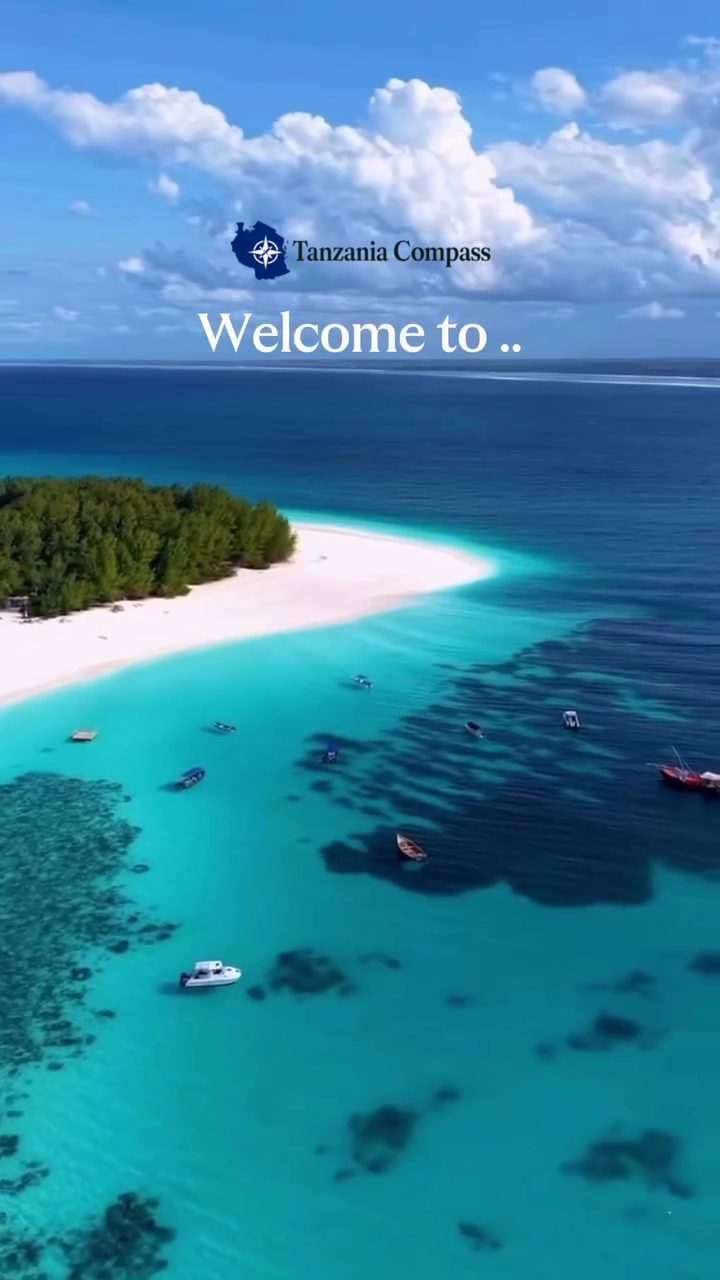


Swipe for more →
Safety & hospitality
Zanzibar is one of the more relaxed, welcoming parts of Tanzania for visitors. Violent crime against tourists is rare, there's a visible tourist police presence in Stone Town and the main resort areas, and the culture places real weight on hospitality — "karibu" (welcome) isn't just a greeting, it's how people actually treat guests.
What to actually watch for: like most tourist destinations, opportunistic petty theft (an unattended bag on the beach, a phone left on a table) and the scams already covered in our guides — not violent crime. Normal travel awareness is enough; you don't need to be on edge.
Beach touts: in busy areas like Nungwi and Paje, you'll get persistent offers for tours, boat trips, or souvenirs. A polite, firm "no thank you" works fine — it's sales pressure, not danger.
Solo travelers, including women, generally report feeling comfortable in the main tourist areas; the usual sensible precautions (well-lit areas at night, trusted transport after dark) apply here as anywhere.
Good to know
- Dress modestly in Stone Town and local villages — shoulders and knees covered. Beach resorts are more relaxed with swimwear.
- Malaria risk is lower than the mainland but not zero — still worth precautions.
- Your mainland e-Visa covers Zanzibar too. No separate visa needed.
- Cash (TZS) is expected outside hotels and resorts — small shops and dhow operators rarely take cards.
Things to do
Stone Town walking tour — history, spice markets, and the old slave trade site.
Spice tour — Zanzibar earned the name "Spice Island" for a reason; plantation tours run a few hours.
Safari Blue — a full-day sailing, snorkeling, and seafood-lunch trip off the southern coast.
Nungwi or Paje beaches — for swimming, kitesurfing, and sunset dhow cruises.
Prison Island (Changuu) — a short boat ride from Stone Town to see giant Aldabra tortoises, some over 100 years old, plus decent snorkeling.
Jozani Forest — the best place to see the red colobus monkey, found only in Zanzibar and nowhere else on Earth.
Mnemba Atoll — some of the best snorkeling and diving in Zanzibar, with visibility that regularly exceeds 20 metres.
Forodhani Gardens night market — a waterfront food market in Stone Town every evening, good for trying Zanzibari street food like urojo soup and Zanzibar pizza.
Sunset dhow cruise — a relaxed sail along the coast as the sky turns orange, usually with drinks included.
Getting there
Zanzibar has its own international airport (Abeid Amani Karume, ZNZ) with direct flights from several European and Gulf cities, so you don't have to route through Dar es Salaam. If you're already on the mainland, a fast ferry from Dar es Salaam takes about 2 hours.


