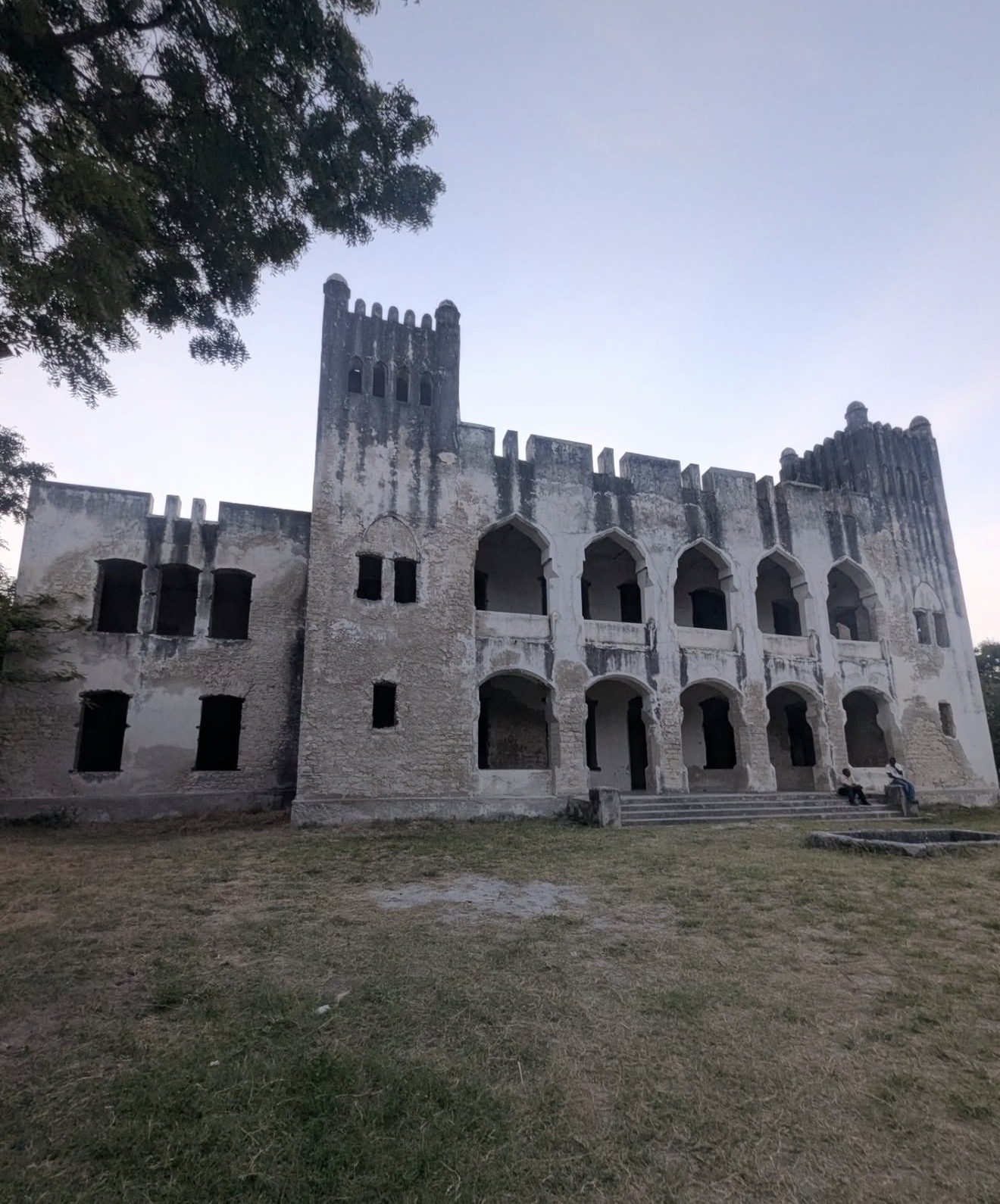
Kilwa Kisiwani is easy to overlook on a map and hard to overstate historically. From the 13th to the 16th century, this small island off Tanzania's southern coast was one of the wealthiest trading city-states in East Africa, controlling gold, ivory, and textile trade routes stretching from Zimbabwe to Arabia and China.
Safety & hospitality
Kilwa's remoteness is its own kind of safety — it sees very few visitors, so opportunistic tourist-targeted crime is essentially a non-issue. The bigger consideration is self-sufficiency, not danger.
Come prepared: medical facilities and emergency services are limited this far from Dar es Salaam — sort out travel insurance with evacuation cover before heading out here.
Hospitality: local guides who show visitors around the ruins are often proud custodians of the history, and genuinely pleased to see outside interest in a site most Tanzanians themselves haven't visited.
Good to know
- Kilwa Kisiwani and the nearby Songo Mnara ruins are a UNESCO World Heritage Site.
- The Great Mosque here is the oldest standing mosque on the East African coast.
- It's far less visited than the northern circuit or Zanzibar — expect very few other tourists.
- Access is by boat from Kilwa Masoko, the mainland town — arrange this locally or through an operator in advance.
Things to do
Great Mosque ruins — 16 domed bays, remarkably intact for a 9th-century structure.
Husuni Kubwa — the ruins of what was once the largest building in sub-Saharan Africa, overlooking the sea.
Gereza Fort — an Omani-era fortress guarding the old harbour approach.
Getting there
Kilwa Masoko has a small airstrip with domestic flights from Dar es Salaam, or it's a long day's drive south along the coast. From there, a short boat crossing reaches Kilwa Kisiwani island itself.